

I do SEO on steroids.SEO expert
who drives sales
No myths, no guesswork. I deliver in days what takes agencies months.
Your customers are already searching for what you sell – on Google and in AI. As your SEO expert, I make sure they find you, not your competitors, right when they’re ready to buy. Then I turn those searches into hot leads.
- +937%traffic from Google after less than a month of SEO work
- +538%more inquiries and calls from Google in three months
- +412%traffic from ChatGPT, Gemini and Perplexity in the same period, with inquiries from AI up 1,200%
- 13/13new local pages in Google's top 5 for their main keywords. 10 of them at #1, including “domy modułowe mazowieckie” (modular homes in Mazovia).
- Full SEO audit with every recommendation implemented
- A cluster of sales pages for the Warsaw metro area
- A modular home price calculator that collects organic leads on its own
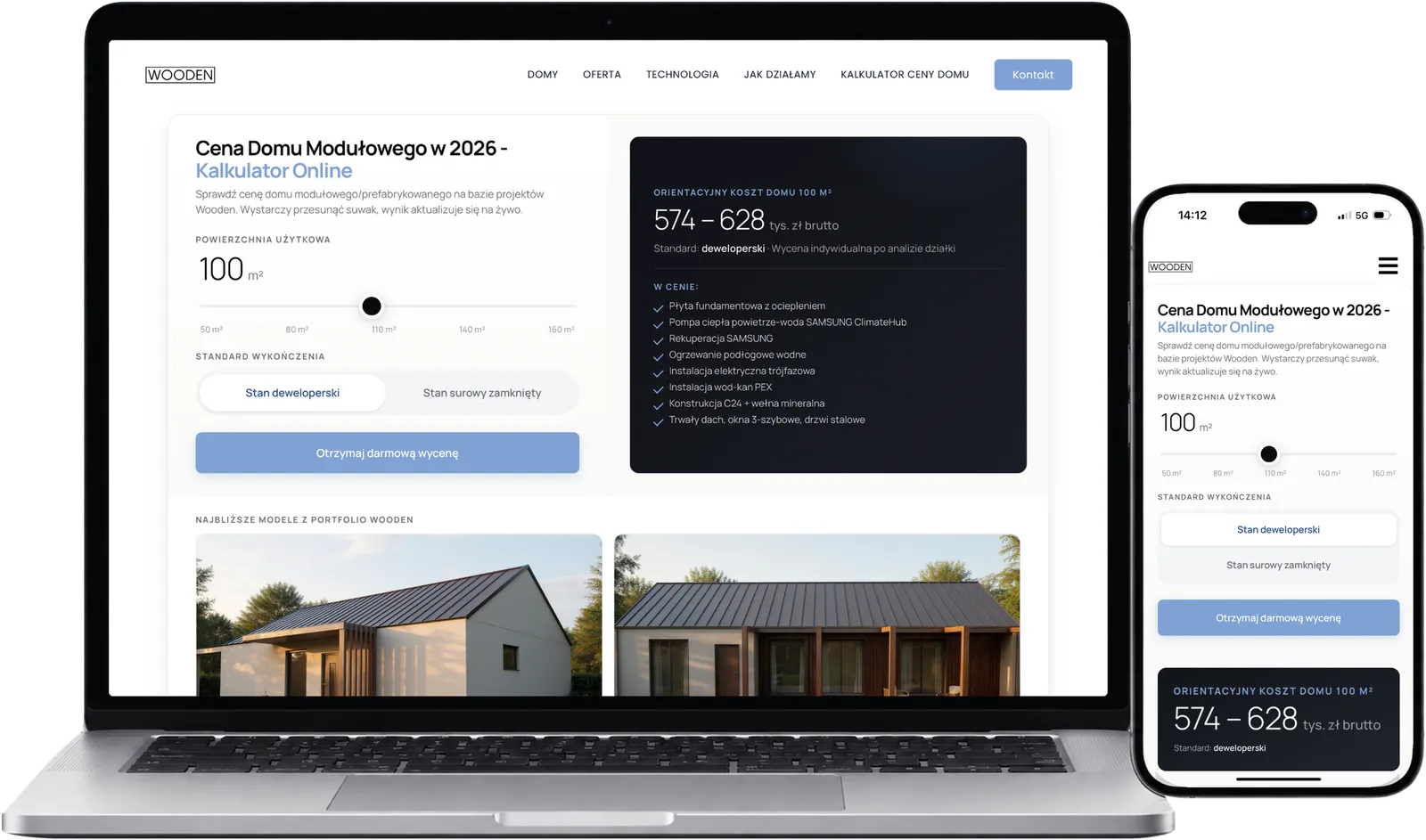
- +547%more keywords the site shows up for in Google, within days of launch
- +104%more clicks from Google in the same period
Data still coming in
- Complete website rebuild and SEO audit, with technical fixes implemented
- Sales pages for custom furniture and target cities, plus optimized product pages
- The site translated into 7 languages, with hreflang done right
- Google Business Profile optimization, structured data and internal linking
- Looker Studio dashboard: traffic, keywords, forms and calls in one place

- +400%clicks from non-branded keywords in the first weeks after launch
- +38%impressions in Google in the same period
Data still coming in
- SEO audit of 3 domains and removal of the critical errors that blocked visibility in Google and the flow of authority
- 10 sales pages for the app's use cases and a full Dutch version
- Conversion optimization: a rebuilt path from first visit to sign-up, with login and a free trial on desktop
- Refreshed top blog articles and internal linking
- Looker Studio dashboard: traffic and leads from Google and AI, branded vs non-branded keywords, and keywords one step from page one
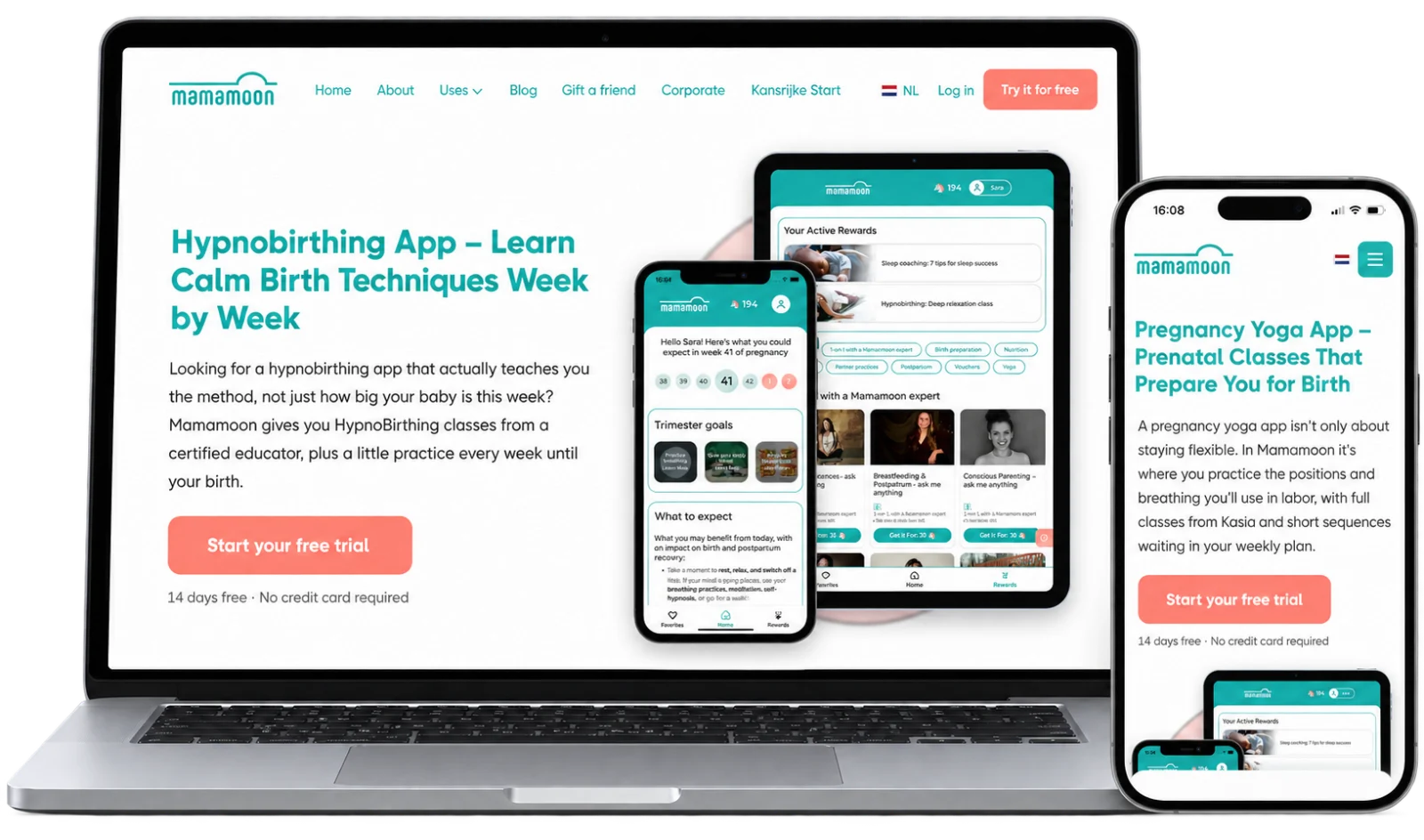
- 312%growth in qualified leads from SEO in 2026
- 105%organic traffic growth in 2025, at 250K visits a month
- 7 figuresin customer lifetime value from clients acquired through the blog alone in 2025
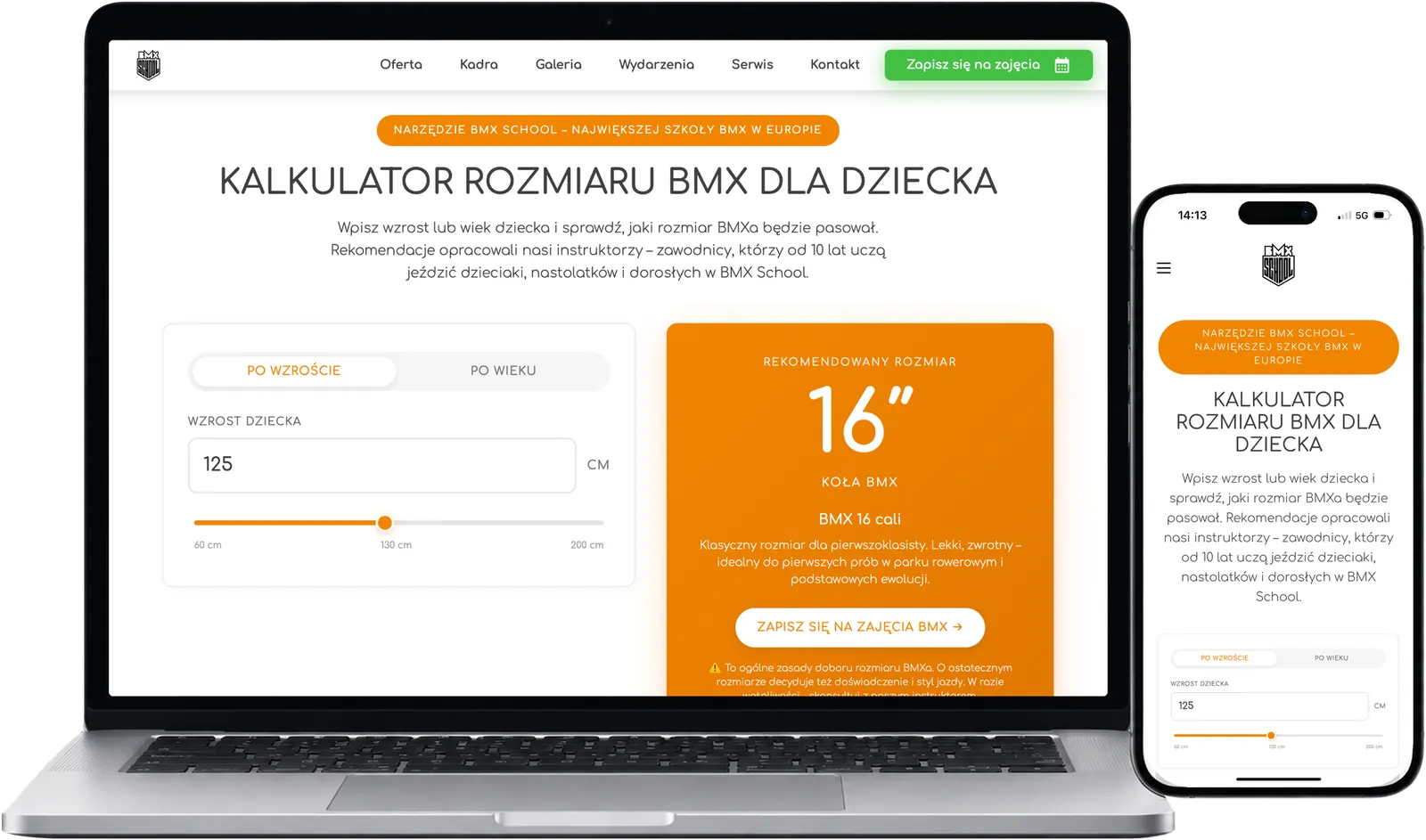
- +633%non-branded clicks after a few days of SEO work
- #1for their main Polish keywords: BMX school, BMX classes and more
- Complete homepage rebuild
- Two lead-gen tools: a kids' BMX size calculator and a spoke length calculator
- A new gallery page
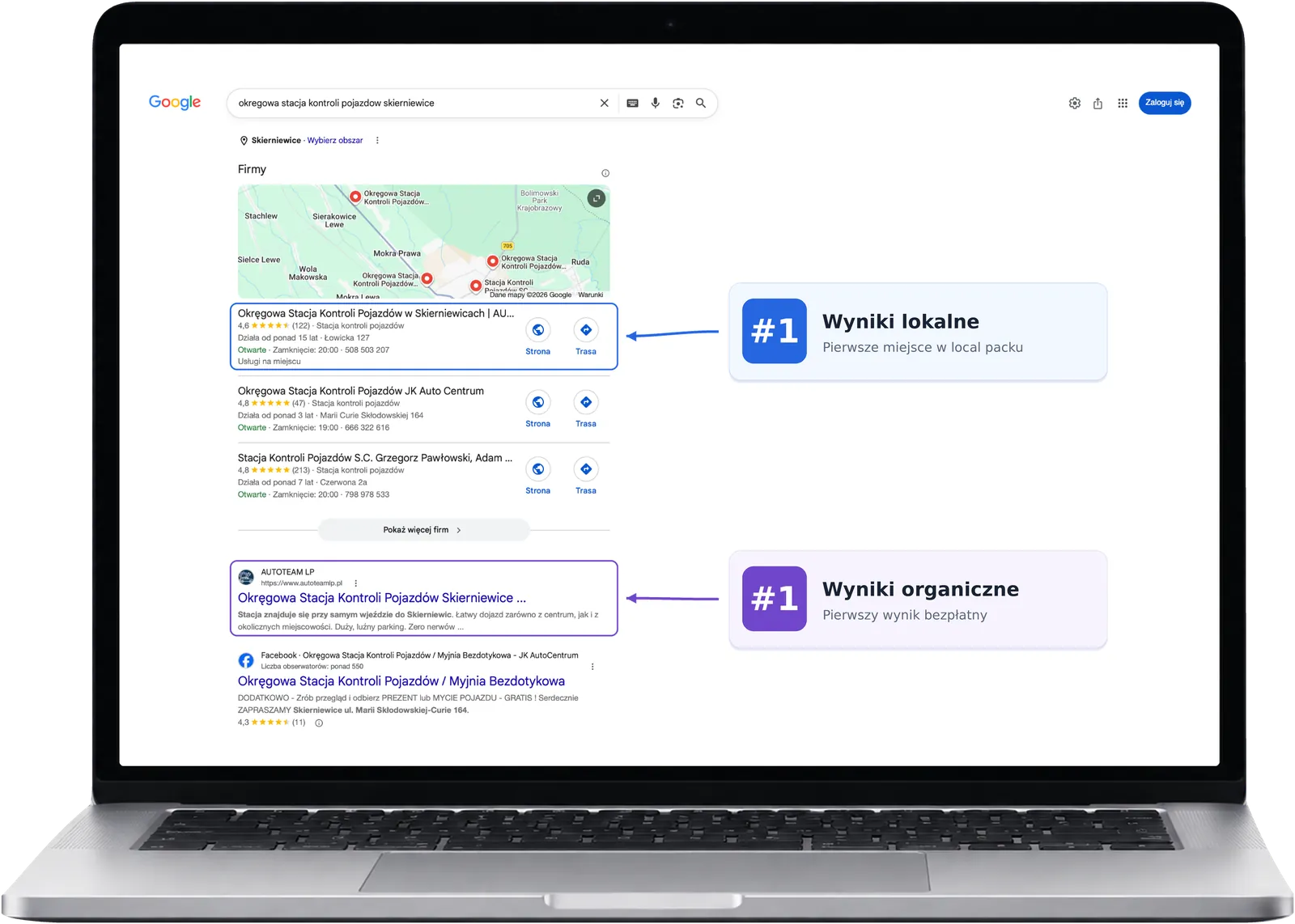
- #1in the local pack. A neglected Google Business Profile climbed from #5–6.
- #1for key local keywords, on a site built from scratch
- Google Business Profile optimization
- A website from scratch

Investing in SEO in 2026? These problems probably sound familiar
- −SEO brings in fewer and fewer leads, and you don't know why.
- −Content that used to bring traffic keeps losing rankings, and no update brings it back.
- −Your content scores 90+ in content tools, but visibility doesn't move.
- −More and more pages stuck in “Crawled – currently not indexed” or “Discovered – currently not indexed”.
- −You get organic traffic, but it doesn't turn into quality leads.
- −You can't break through on the keywords with the biggest business potential.
+I know what to do about every one of them. You're in good hands
Visibility is relevance × authority. Rest is signals.
Relevance
Does a visitor land on your page, see the answer to their intent without scrolling and think, “That's exactly what I was looking for”? Relevance isn't something you declare. It's user signals – whether people stay or go back to the results.
Authority
Call it SEO power. You can have the best page and content in the world, but without authority behind it, it won't start ranking on its own.
Together they multiply
You start with keywords that are easier to rank for, and as your authority grows, you move up to more competitive ones. Most sites have to work their way up to the hardest keywords.
Google doesn't publish a hierarchy like this – it's my simplification after nearly ten years in SEO. There are thousands of signals, but I group them into two big buckets. That keeps me focused on what actually moves rankings.

How I rank sites – no SEO fairy tales
Authority comes from clicks, and links, internal and from other domains, pass it around your site. So I don't chase a thousand links – just the ones from pages with organic traffic and a related topic. A link from a page nobody clicks has nothing to pass on.
The click that counts is the one people stay for. Google pays more and more attention to user signals, so people bouncing straight back to the results (pogo-sticking) works against you. That's why relevance doesn't end at the click.
I usually start at the bottom of the funnel, because that's where you're closest to a sale. If a keyword is too competitive, I build topical authority around it first, so there's something to launch from later.
Before I suggest anything, I dig into what you sell, who to, and why customers stay or leave. The keyword list comes at the end of that conversation, not the start.
“Volume” in Ahrefs and Semrush is mostly based on Google Ads data and estimates, not real searches. So a keyword with hundreds of real impressions a month can show N/A in the tool. I check demand in Search Console and use Ahrefs and Semrush mainly for competitor and backlink analysis.
“SEO takes 3–6 months to work” is a convenient industry standard, not an iron law. If your SEO has access to the right authority, results can come much faster. If not, the authority has to be built first.
Crawling, indexing and speed have to be done right (and they are). But I keep them as the foundation, not the strategy: an audit should unblock relevance and authority, not be the product itself.
Great content on the wrong keyword won't sell
That’s the whole logic behind how I do SEO. You can have the best content in your industry – but if you don’t make it into the click zone, nobody sees it.
You can have the best page in your industry. If you target a keyword you don't have the authority for yet, you won't rank high enough to get real traffic.
The less popular the keyword, the narrower the click zone. On big keywords, traffic reaches lower positions too. On small ones, the very top takes almost everything.
No visibility, no traffic. And no traffic means no user signals or clicks to keep building your site's authority.
Even great content doesn't make money if nobody reaches it. That's why I start with the keyword, relevance and authority – only together do they give content a real shot at bringing in business.
The chain usually breaks at the very start. The keyword has to match the authority you have today. If you're aiming higher, you build the authority you need to actually compete for that visibility first.
How this is different from an agency retainer
Hundreds of AI pages, a short traffic spike, then a drop – until the domain stops meaning anything.
AI supports the expert, never the other way around. It speeds up research, analysis and implementation. Decisions and editing stay with a human who knows what they're doing.
The more complicated, the pricier. A 100-page audit, and silence when you ask “which of this will move sales?”
Relevance times authority. I deal with everything else when it's actually blocking one of those two.
Thirty TOFU articles that bring traffic but never send it where it could turn into customers.
Pages that sell come first. Then content that builds their authority and supports them with internal links.
A mysterious new name, a new package, a new invoice. In practice, GEO is mostly SEO + ORM – search visibility combined with building your brand's presence and reputation in the sources AI models use.
The overlap is about 80–90%. LLMs don't carry the whole internet in their heads. They know a slice of it from training data, and when they need fresh information, they split the question into several searches and pull from the results.
A new domain is a different game. Let's be upfront.
A site with authority
On a strong domain, most pages rank almost on autopilot. If that's you – great, you're in a comfortable spot. The work is faster and easier.
A domain from scratch
A fresh site won't start ranking just because you publish two hundred pages. Visibility gets built step by step, from keywords you have a real shot at to more competitive ones. In SEO, the order of moves matters more than the amount of content.
Cornerstoning: start with a bar you can clear
I start with keywords we can realistically rank for right now. Then I use the authority we earn to go after harder searches, level by level. The most competitive keywords are the result of this process, not the starting point.
SEO on steroids: what does that even mean?
AI doesn’t do SEO for me – it lets me do it faster. A week of work shrinks to one afternoon, and plenty of things I used to need a developer for, I now do myself.
A new website with a homepage and a few simple subpages. Analytics in place from day one, technically healthy and ready for SEO and whatever you build next.
AI is great at speeding up analysis and execution. But an audit done entirely by AI is usually a list of problems with no context and no priorities. I'm the one who spots what's actually blocking the flow of authority, sets the priorities and decides what's worth fixing.
Components, CTAs, internal linking, sitewide changes – lots of things that used to need a developer, I now implement myself, directly on your site.
I create ready-to-publish pages and articles optimized for SEO, written around benefits and always edited by a human – just many times faster. I can also build lead-gen tools that bring in traffic and leads, instead of you spending tens of thousands on development.
Expert first, AI tools second
Flip that order and you usually end up with hundreds of generated pages with no strategy, a brief traffic spike and then a drop. In extreme cases, a Google penalty, too.

What about all this GEO / AEO / SGO / OREO?
Search doesn’t end at Google anymore. People also look for answers in ChatGPT, Gemini, Perplexity and other language models, and YouTube and social media keep getting bigger. The rule stays the same: if you want to be visible, you need to know where a given model gets its information and sources. And that’s exactly what’s missing from a lot of GEO offers wrapped in mysticism and magic.
LLMs don't store a copy of the web. They know a slice of it from training data and have to reach for external sources and search results to get current information.
An LLM's training data has a cutoff, so when it needs current information, it pulls live search results and other external sources.
One question can be split into several searches that the LLM builds its answer from. That's why visibility in classic search results also improves your chances of showing up in AI answers.
What's now called GEO runs mostly on SEO and ORM – and online reputation management has been part of an SEO's job for years. There are new models and new places to be visible, but the mechanism is largely the same.
GEO has picked up more mysticism than anything in SEO in years. Plenty of people sell it as a brand-new discipline before they've nailed the basics of SEO. I provide AI SEO services, test them as I go and measure what actually comes in: today, traffic from AI models is usually a few percent of organic traffic.
BOFU SEO and AI SEO go hand in hand. People ask models about specific products, and bottom-of-funnel content answers exactly those questions.
OK, but is SEO even still alive?
As long as people search for things, search won't die.
SEO is alive and doing just fine. Worldwide interest in “seo agency” is at its highest since Google Trends began in 2004. The death of SEO gets announced with almost every big Google change. All those obituaries have one thing in common: SEO didn't notice them.
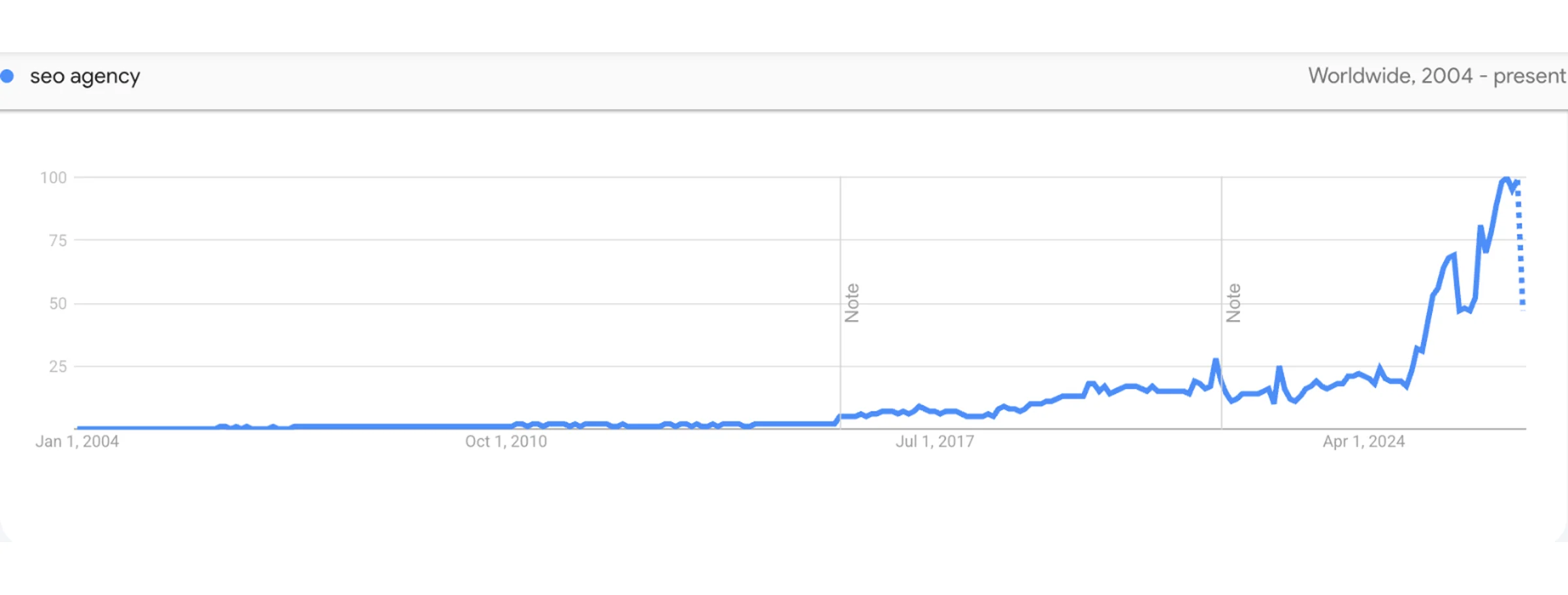
What's changing is where people ask their questions. What isn't changing is that someone has a specific problem, compares options and wants to know whether it'll work for them and what it costs. Bottom-of-funnel content answers exactly those questions, whether the answer shows up in a search engine or a language model.
Scope of work
- Audit and strategy where the real demand and potential for valuable leads are, what's blocking growth and in what order to tackle it.
- BOFU keyword research with buying intent picked for a real shot at the click zone – not for volume in a tool.
- Websites and landing pages from scratch design, copy, build and analytics. No waiting for a developer to free up.
- Content production I write it myself or prepare briefs for your team and keep an eye on quality.
- Publishing and implementation I publish finished pages and roll out fixes across practically your whole site, fast.
- Internal linking and cornerstoning I send authority where it should make money, because I know how big a ranking factor PageRank is and how to use it well.
- Links from sites with real traffic topically related, with organic traffic and real clicks. No link marketplaces, no bulk links, no dead domains.
- Technical hygiene a fast, responsive, properly working site is the minimum to compete in search at all.
- Tools and calculators simple ones I build from scratch that attract traffic and collect leads on their own.
- Reporting and consulting every month you see what worked and why. Or I join as support for your team.
How we'll work together
I get to know your business
We start with a conversation about your product, customers, competitors and what actually makes you money. We set goals and check where SEO can really deliver for the business.
I audit and build the strategy
I audit your site, keywords, competitors, authority and backlink profile. Based on that, you get a concrete plan: what we do, in what order and why.
I implement
I don't stop at an audit and a list of recommendations. I create and publish pages, fix technical SEO and internal linking, and implement everything I can myself – without dumping the work on your team.
I measure and improve
I look at what's actually growing, where visibility shows up and what's blocking the next results. What works, I scale. What doesn't, I change.
You work directly with me
I get to know your business, build the strategy and carry it out myself. From the first call to the last fix, you know exactly who's responsible for your SEO. Sometimes my dog assists, but he's only in charge of breaks.

Let's get started
Tell me what you do, where your SEO is today and what you want to achieve. I'll give you a straight answer – whether I can help and, if so, where it's worth starting.
Frequently asked questions
How long does it take?
A page can start ranking within hours or days – if we have the authority. If it's missing, it has to be built first, and that's where the industry's 3–12 month range comes from. I don't promise a specific position by a specific date, but I expect first results within the first month.
What is BOFU SEO and why do you start with it?
BOFU SEO means working on bottom-of-the-funnel keywords, the ones people use close to a decision: specific use cases and products with specific features. I start there because that's closest to a sale. If a keyword is too competitive, I build topical authority around it first.
Do rankings and keywords still matter?
More than ever. Clicks are harder to win today, so picking the right keywords matters even more. SEO is still about ranking specific pages for specific searches – no matter how trendy it is to say keywords stopped mattering in the age of AI SEO.
What about AI SEO and GEO?
Most of that work is still SEO done well. On top of it, there are LLM-specific pieces: building your brand as an entity and being present in the sources and lists models build their answers from. But I keep it in proportion – today, traffic from LLMs is usually a few percent of organic traffic.
What kind of links do you get?
Links from sites that are topically related and have real organic traffic. What matters to me is the authority of the specific page the link comes from – not the number of links or an artificially inflated DR.
Do you only work with SaaS and B2B?
I specialize in SaaS and B2B, because that's where I've spent nearly a decade. But the method works in any market – I've also ranked B2C and local business sites.
Do you use AI?
Yes – it's a huge help in my workflow and with boring, time-consuming tasks. Never for strategic decisions. AI helps me write, too, but I edit every piece myself, and it's always me who hits “Publish”. There's no such thing as SEO on autopilot: expert first, AI second.
Do you take one-off projects?
Yes. As an SEO consultant, I can start with an audit, a strategy or a single consultation, with no long-term commitment. It's a good way to solve a specific problem and see how we work together.
Do you require a long contract?
No. We start small and scale up if it makes sense. I'd rather we keep working together because of results – not because of a clause in a contract.
Where do you work from?
I'm an SEO expert based in Skierniewice, Poland. I work remotely, with companies anywhere in the world.